




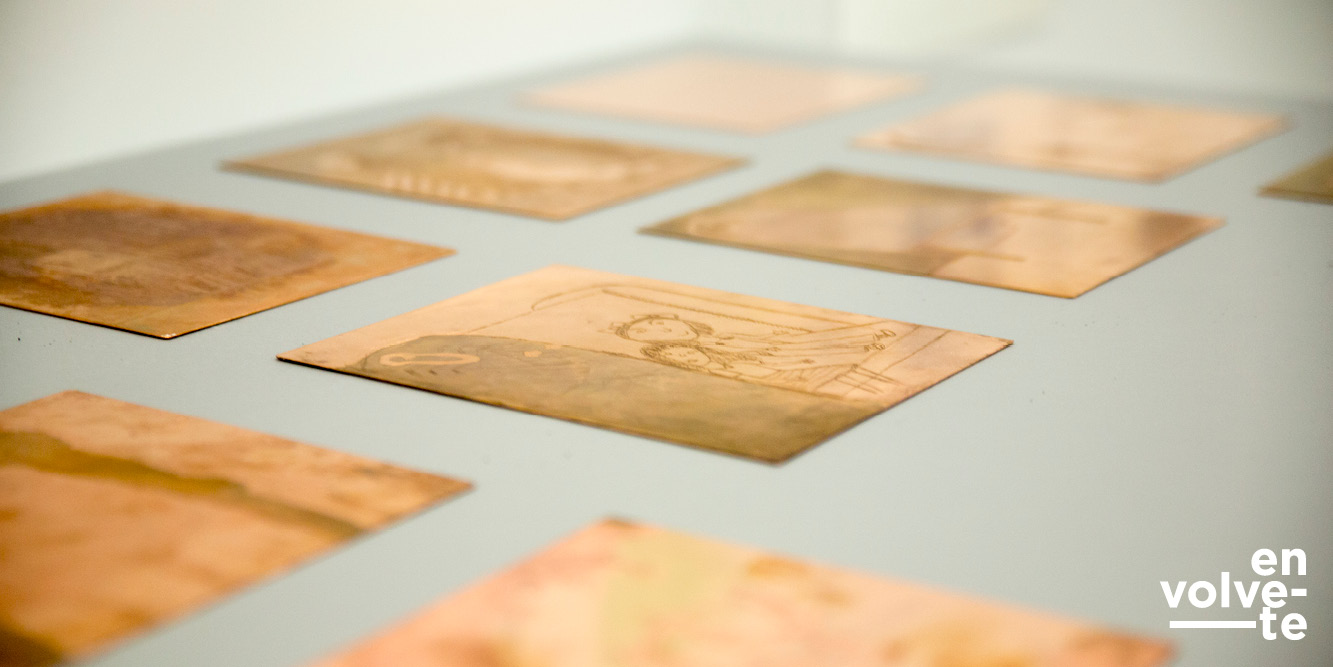



























“Costumes and pictures: clothing in the work of Paula Rego,” at the Paula Rego House of Stories
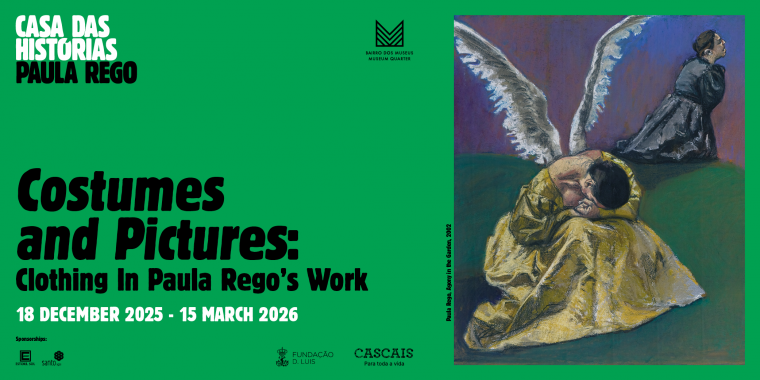
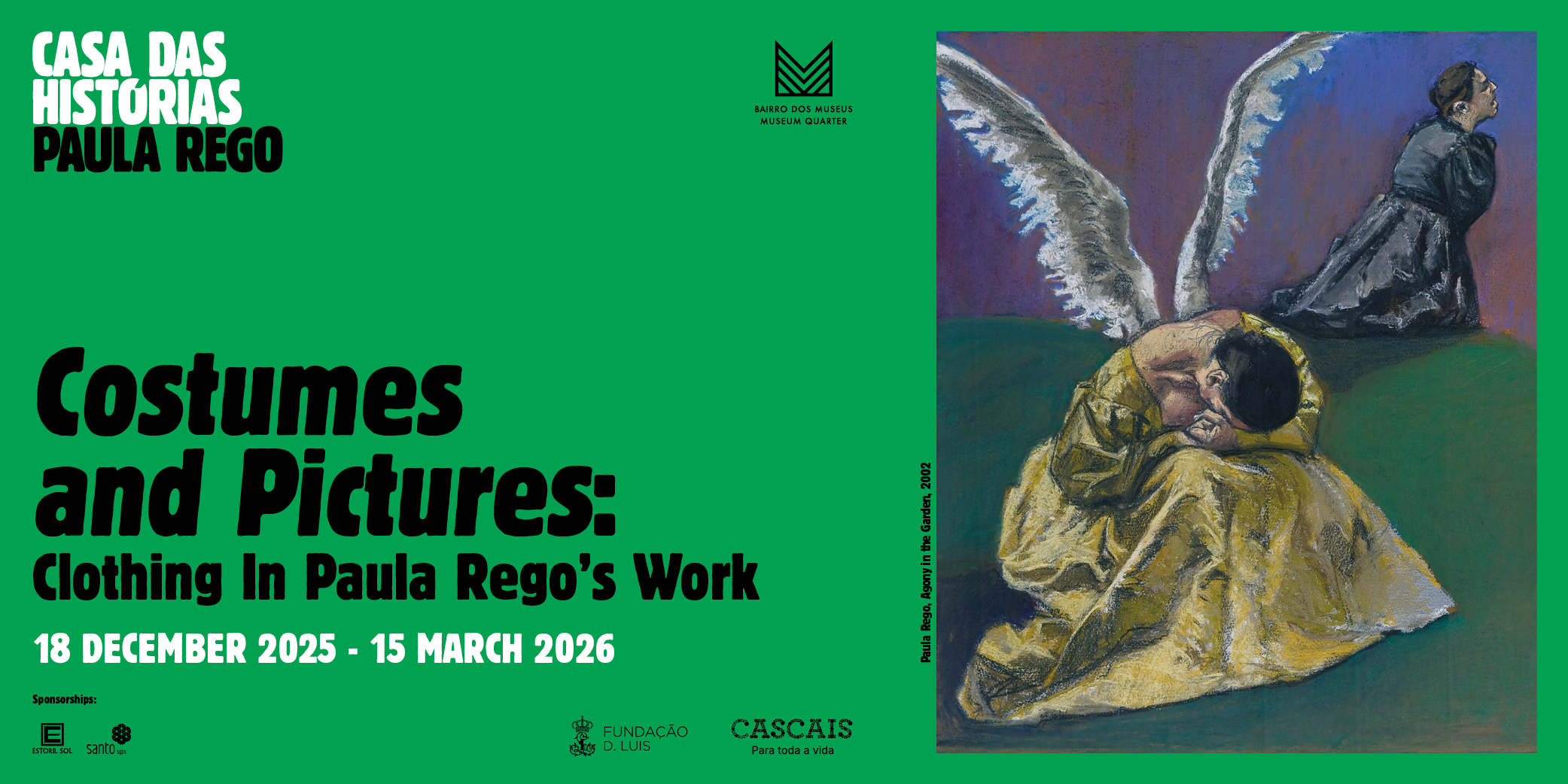
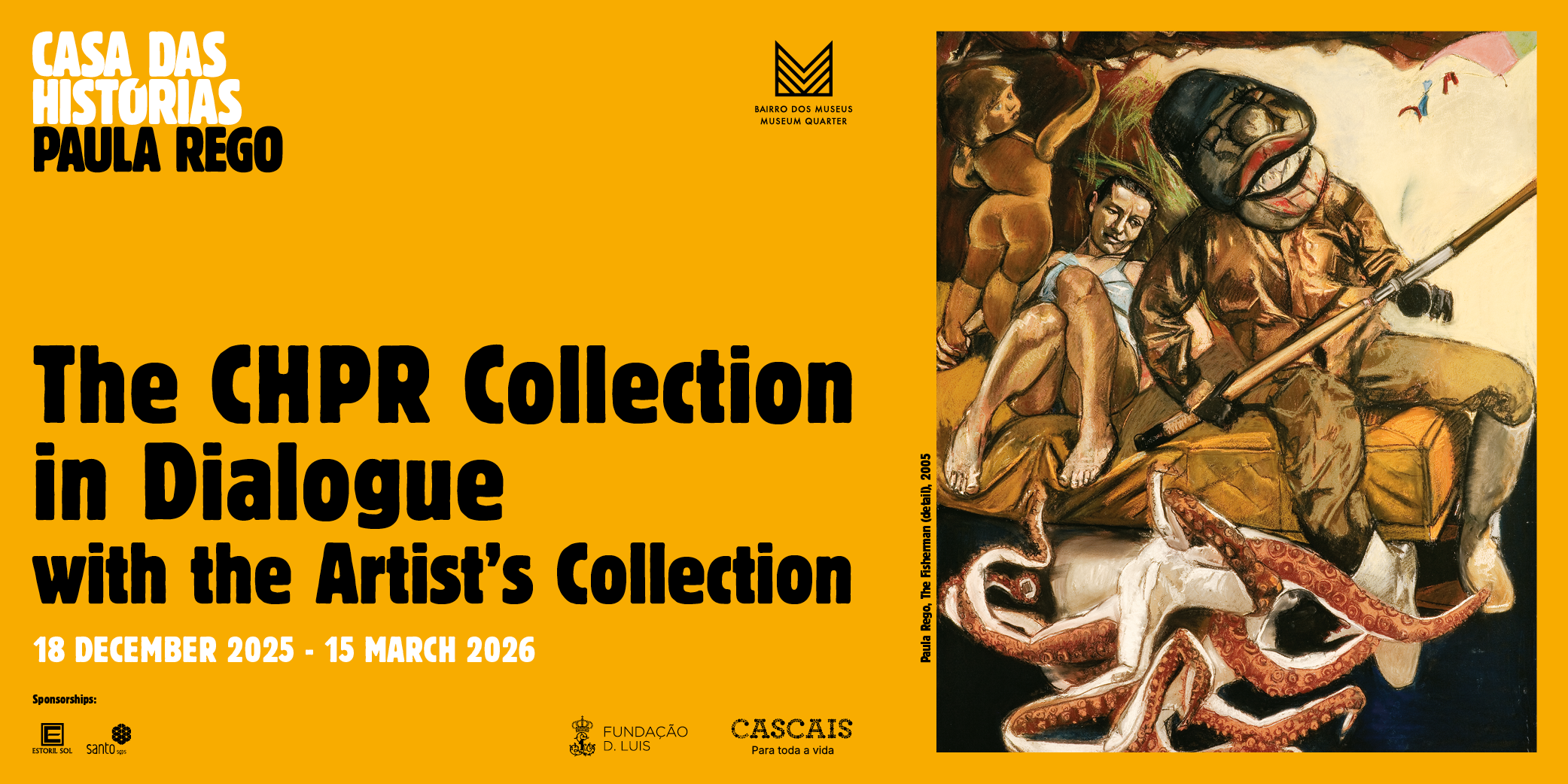
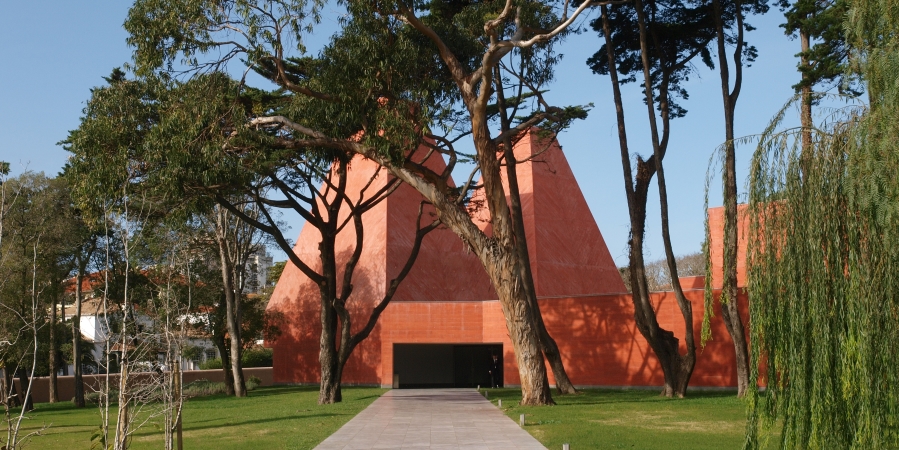
The Paula Rego House of Stories is opening two exhibitions that explore different dimensions of the artist's work: A Coleção da CHPR em diálogo com a Coleção da artista (The CHPR Collection in dialogue with the artist's collection) (rooms 1 to 7), and Costumes and pictures: o vestuário na obra de Paula Rego (Costumes and pictures: clothing in the work of Paula Rego) (room 0). The exhibitions present new perspectives on Paula Rego's creative process and thematic universe, including previously unseen works and others that are less known to the public.
Curated by Catarina Alfaro, the exhibitions are an initiative of the D. Luís I Foundation and Cascais Municipal Council, reaffirming the institutions' commitment to studying and promoting the Portuguese artist's legacy.
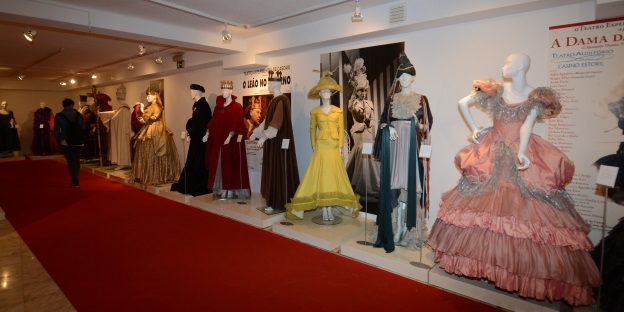
Costumes and pictures: o vestuário na obra de Paula Rego presents the artist's work through the lens of fashion and clothing, exploring how clothing became a central element in her compositions. For the first time, pieces from Paula Rego's studio wardrobe are displayed systematically, in dialogue with the corresponding works. This approach allows the public to understand the importance of clothing in the construction of characters and in the scenic creation of each painting.
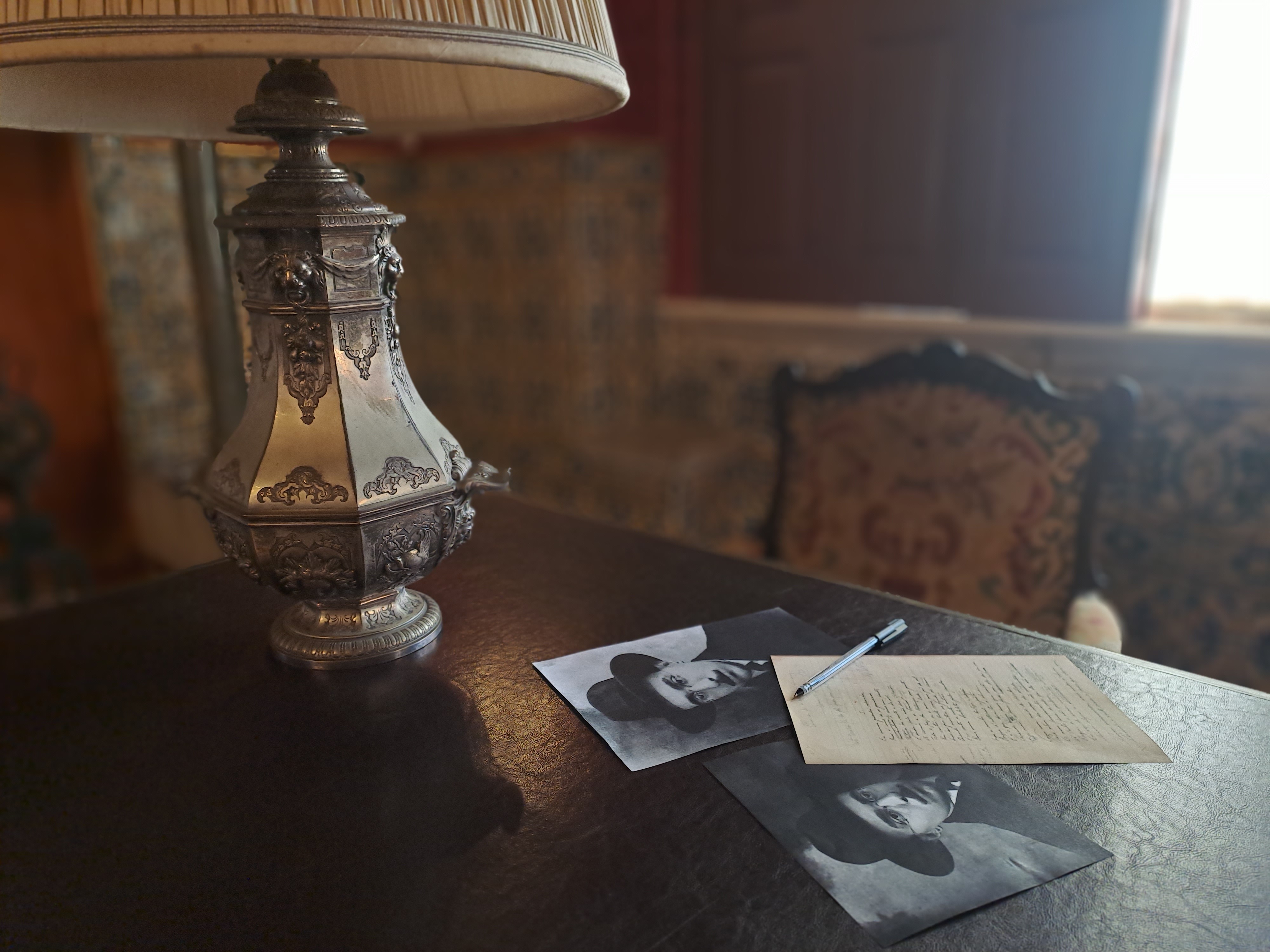
Paula Rego's interest in fashion emerged very early on, influenced by her mother and her first experiences in London and Paris. The exhibition features letters from the artist to her mother, written in the early 1950s, in which she describes the latest trends in detail through drawings. This attention to fashion, fabrics, and the everyday gestures of dressing had a direct impact on the way she developed visual narratives, contributing to the richness and complexity of her unique imagination.
From the 1990s onwards, clothing took on a decisive role in Rego's compositions, not only in the psychological characterization of her characters, but also in the pictorial dimension, enhanced by the use of dry pastels. The wardrobe and accessories reveal how everyday objects are transformed into creative stimuli and narrative instruments. As the artist herself stated: “Clothes say something about personality, about the character, about their social position and about the era too. They are a very important element in the context of any visual story.”
Among the works on display, the study for The Test (1990) stands out, as well as a painting from the series The Crime of Father Amaro (1997), in which clothing takes center stage. These pieces exemplify how Paula Rego used fabrics and props as drivers of her visual stories, transforming them into pictorial material.
Learn more about The CHPR Collection in dialogue with the artist's collection
More information: +351 214 815 660 | geral@fdl.pt
Organization: Cascais City Council | D. Luís I Foundation | Museum District