
























































































The voice of the people as heritage The legacy of Giacometti
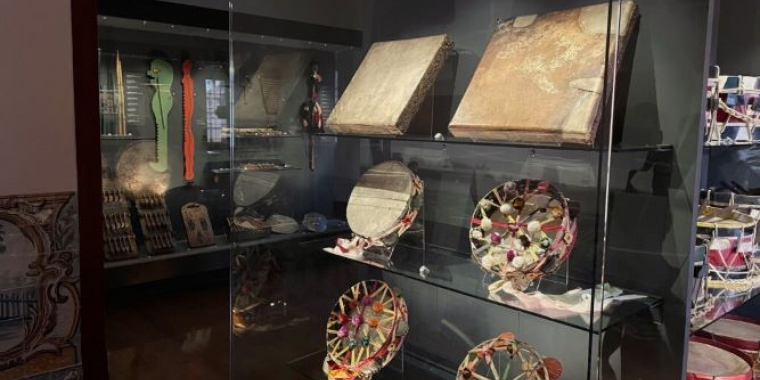
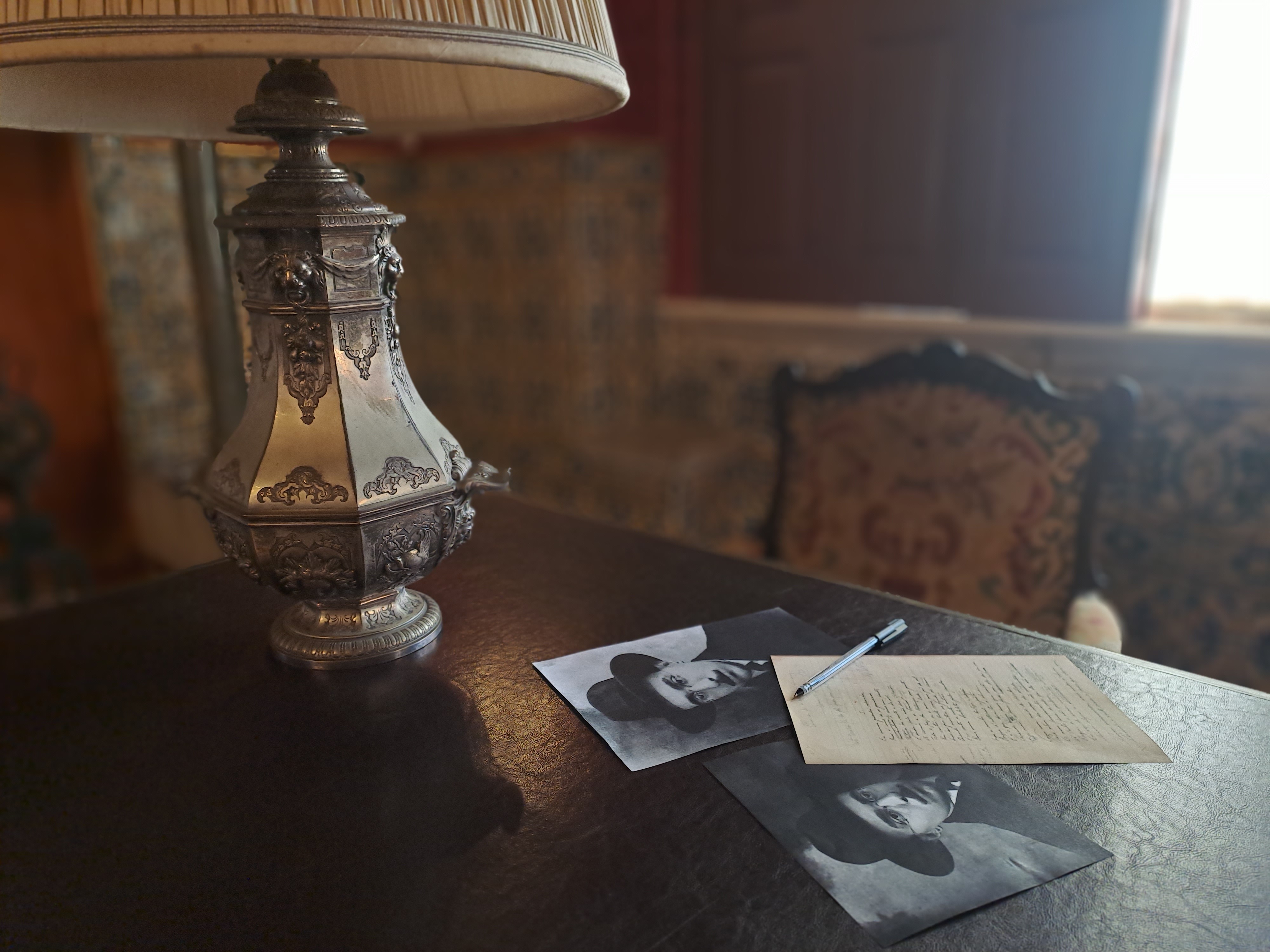
Michel Giacometti traveled throughout rural Portugal to record and preserve the popular culture of oral tradition, combating the cultural uniformity promoted by the Estado Novo through a folkloric and idealized view of Portuguese culture. Giacometti sought authenticity in popular cultural expressions, which were often marginalized. By giving a voice to peasants, he contributed to the democratization of culture by involving those excluded from official culture in historical and cultural records.
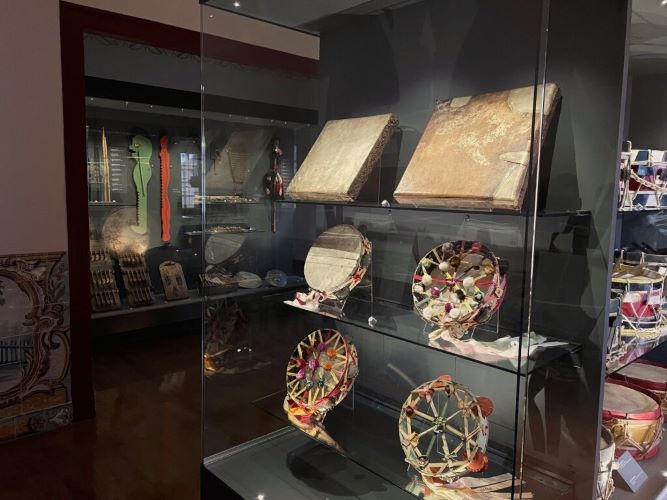
Giacometti believed that it was the elderly, and especially women, who preserved tradition. By highlighting their voices, he promoted plurality and diversity, fundamental principles of democracy. Giacometti left a legacy for a democratic culture. The television series “Povo que Canta” (RTP) is an example of how his work translated into democratic pedagogy, bringing knowledge about forgotten traditions to the general public. On this visit, accompanied by film recordings, we highlight some of these figures that the ethnologist brought out of anonymity.
Registration and morevinformation: mmp@cm-cascais.pt | +351 214 815 904 ( call to the national landline network)
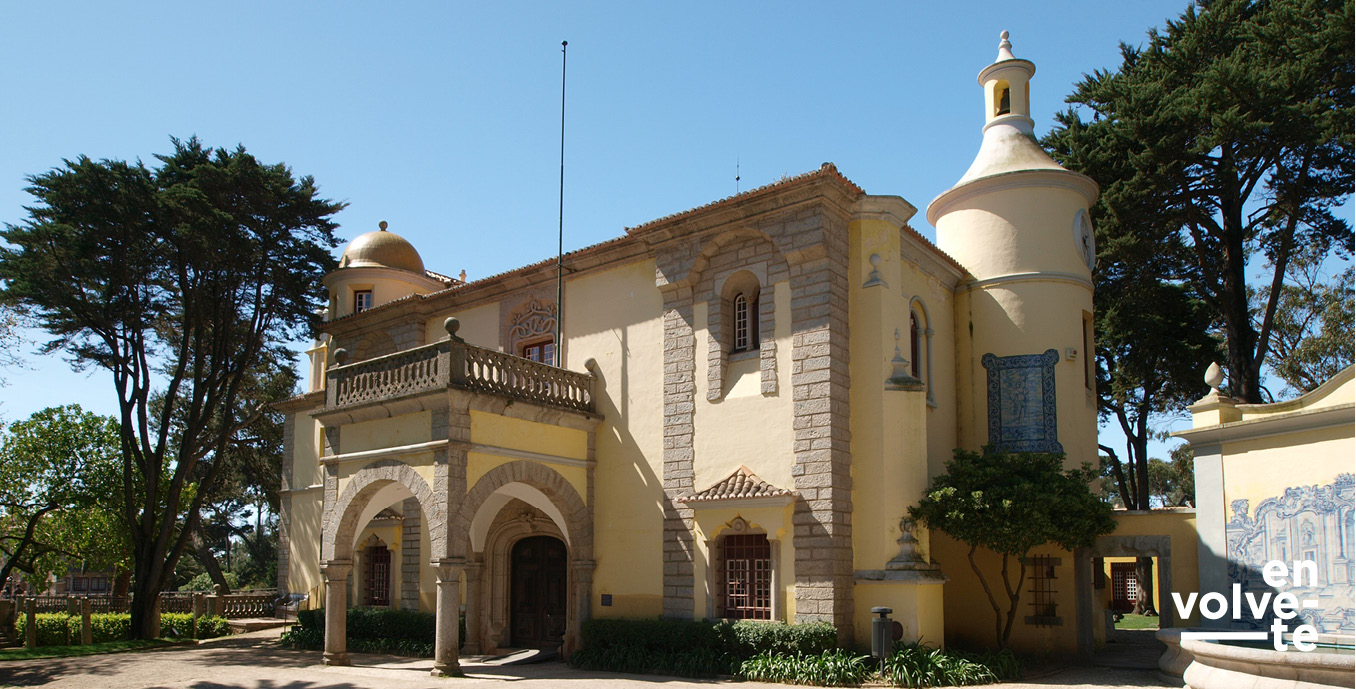
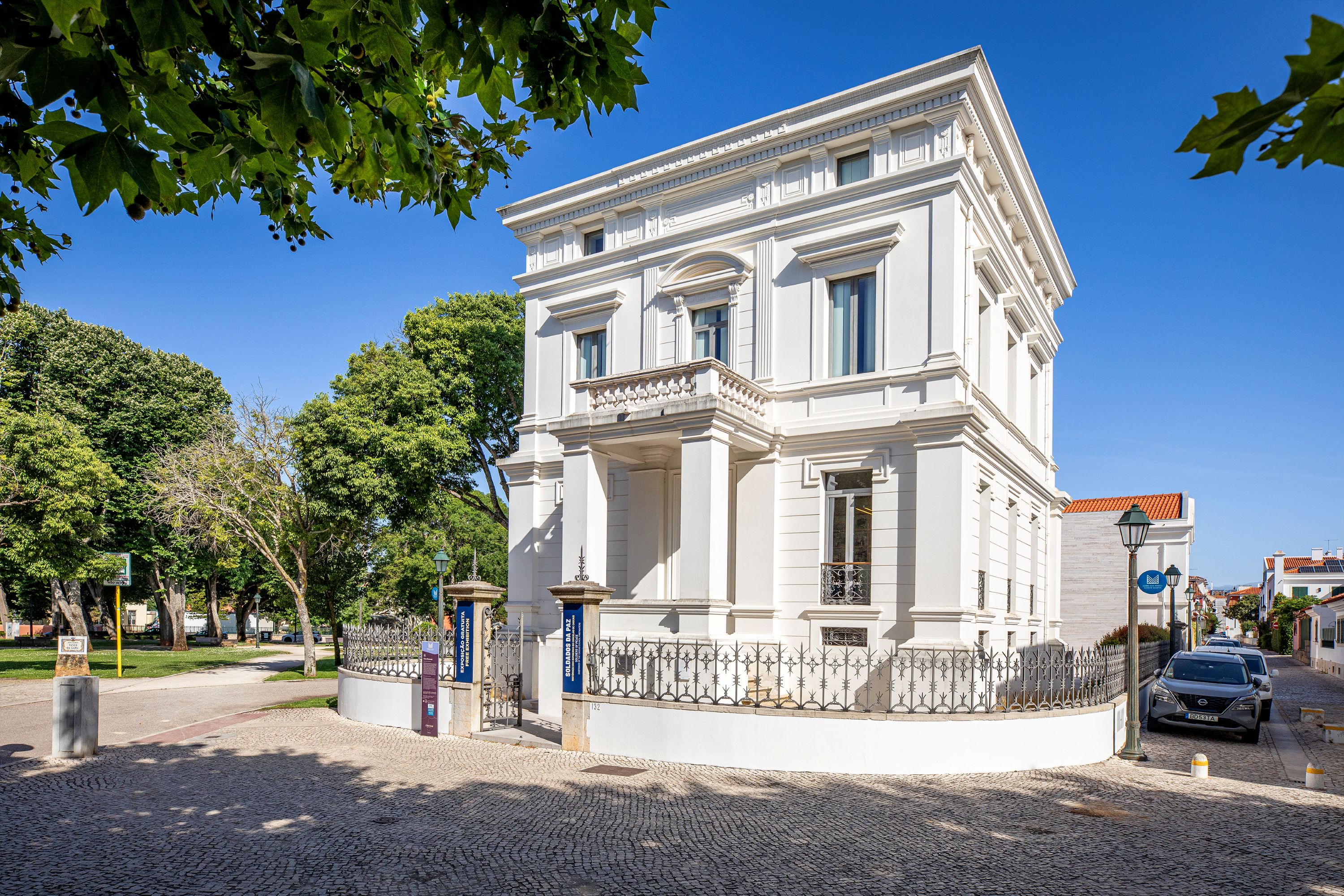
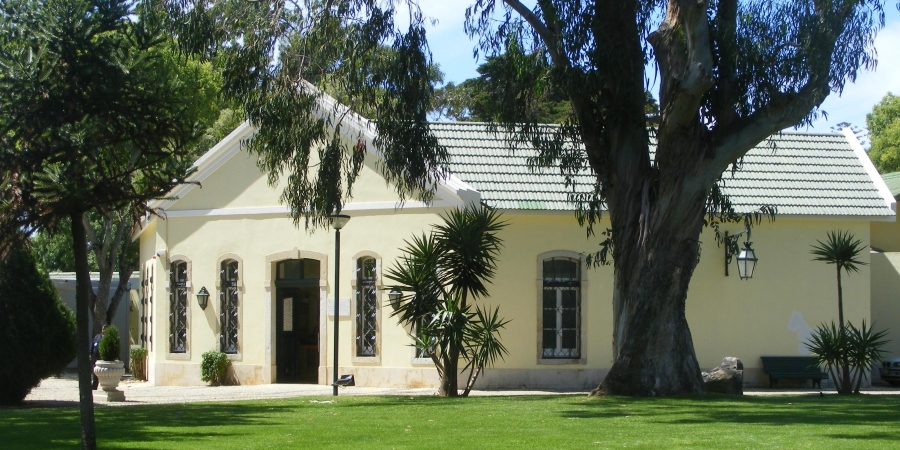
Organization: Cascais City Council | Portuguese Music Museum - Casa Verdades de Faria