







































































Hiking trail to the windmills in Alcabideche
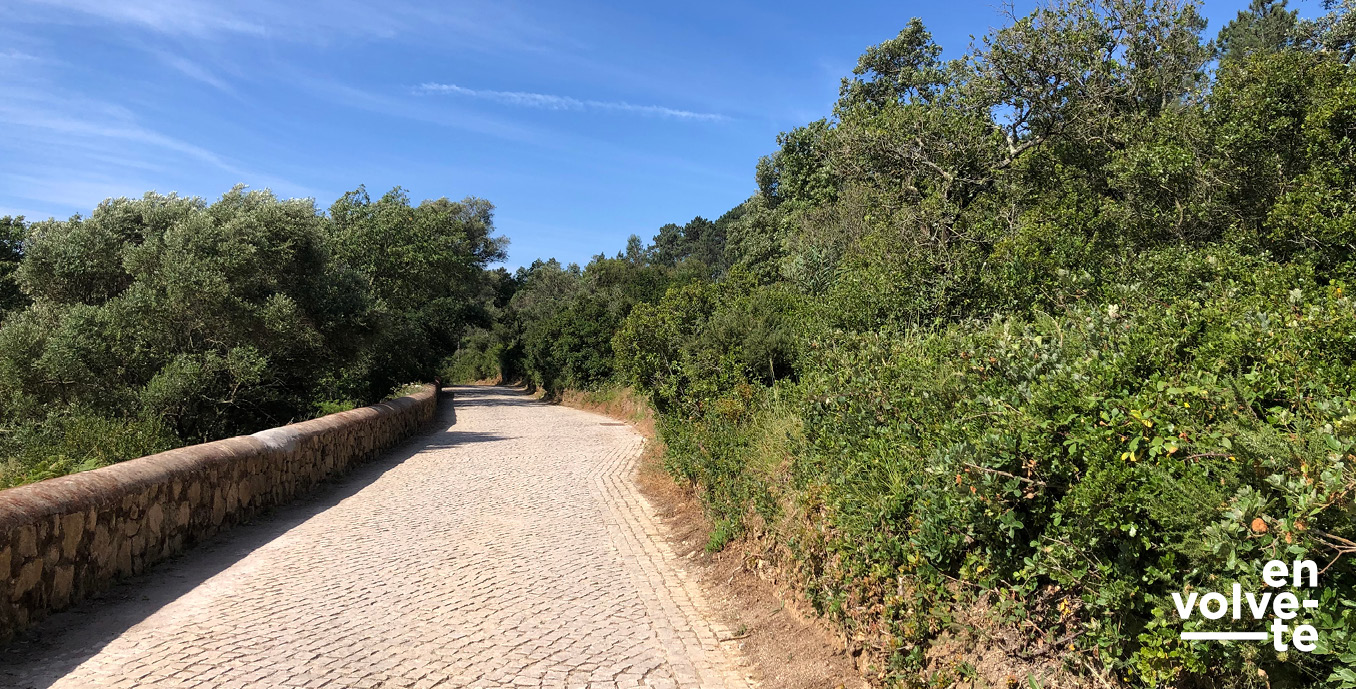
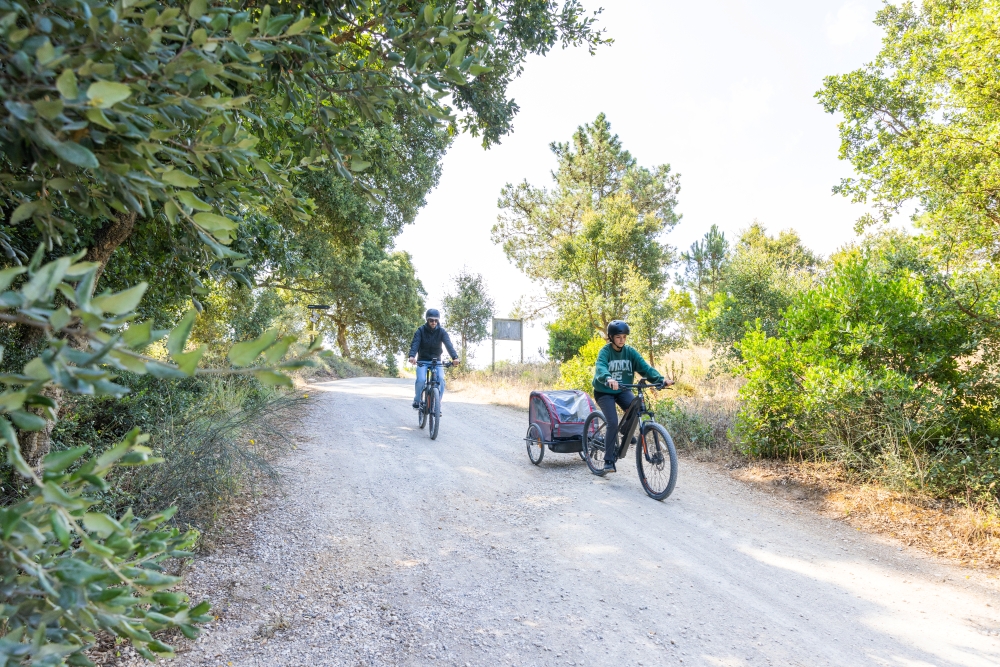
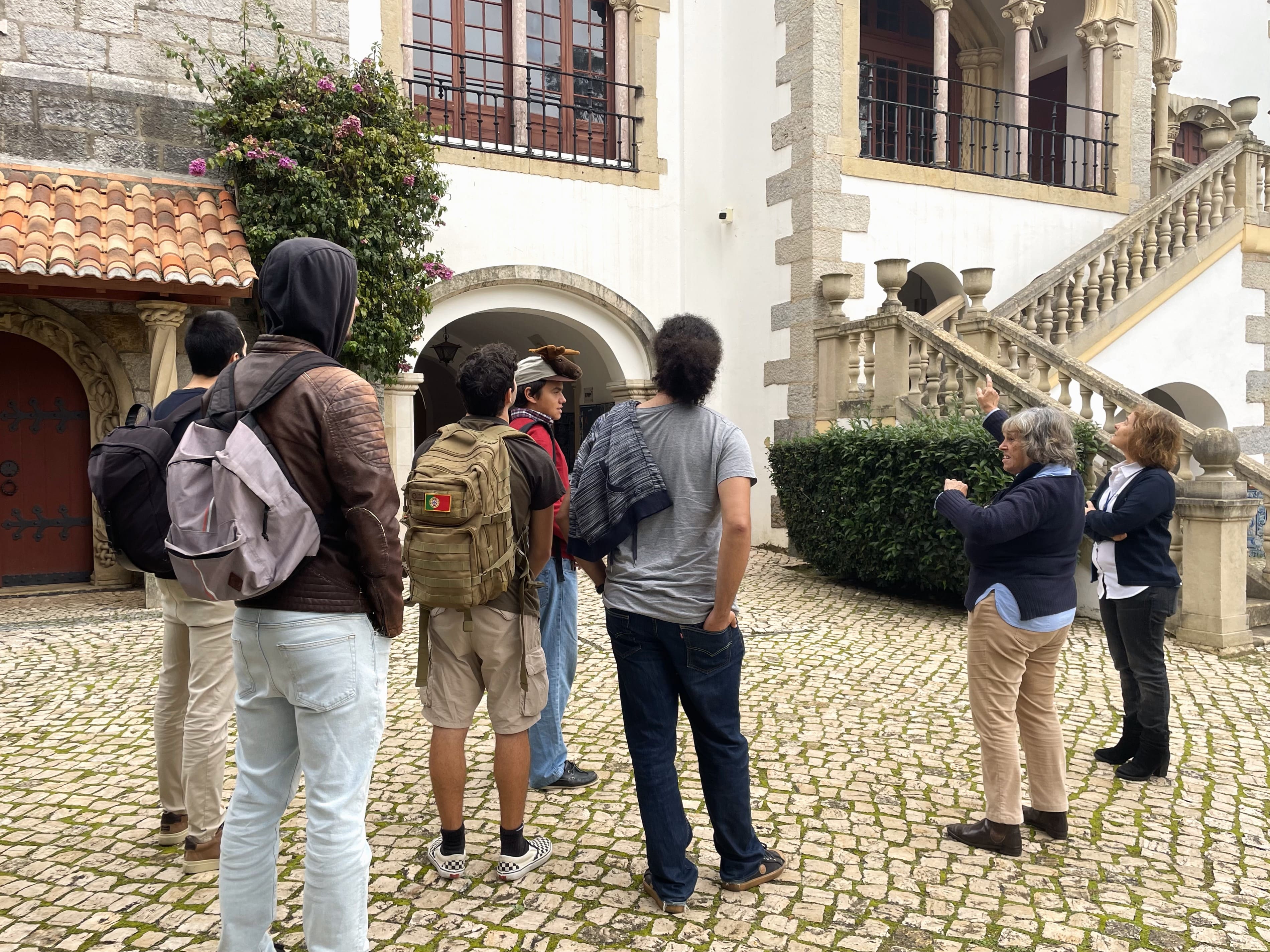
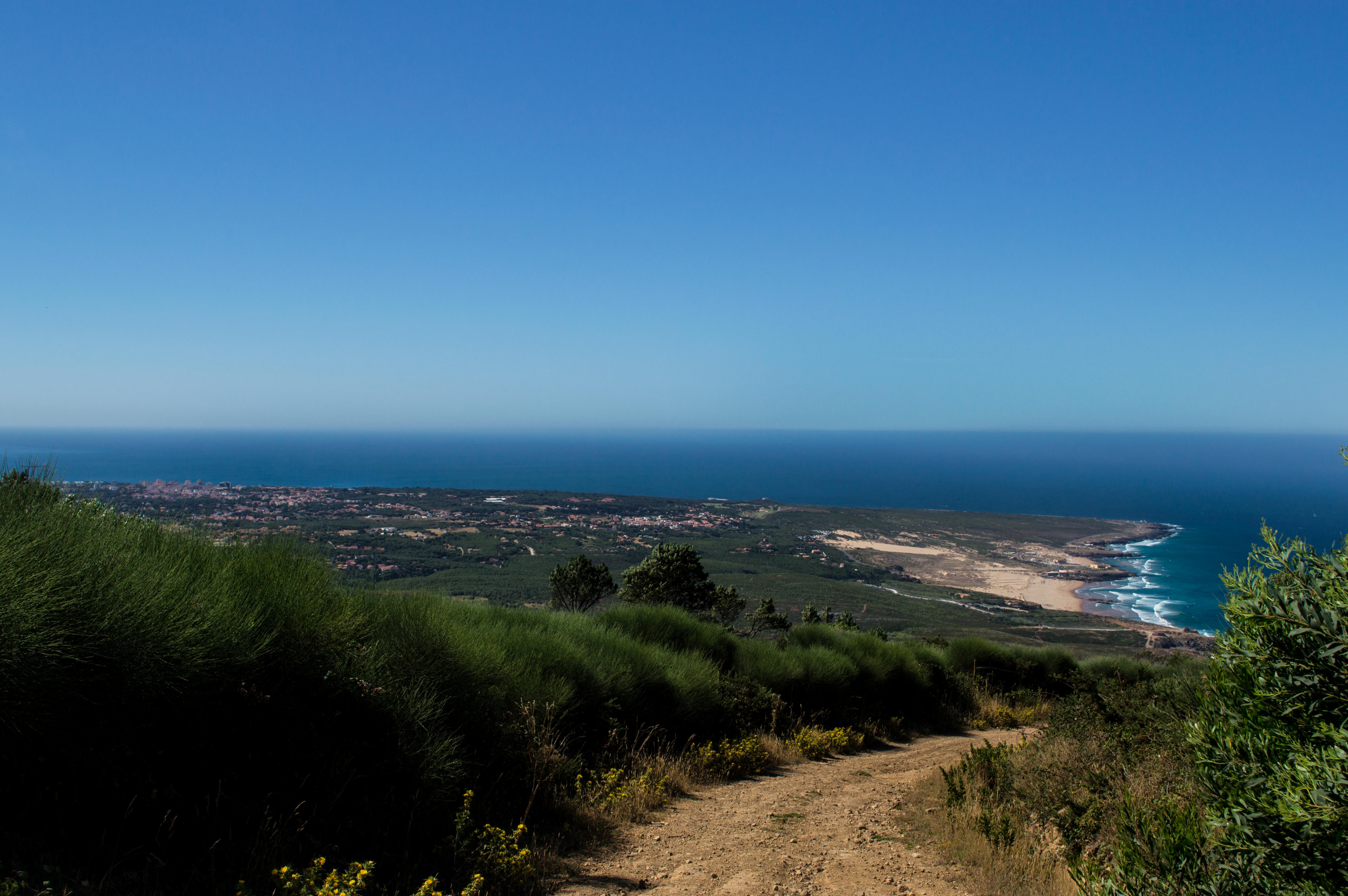
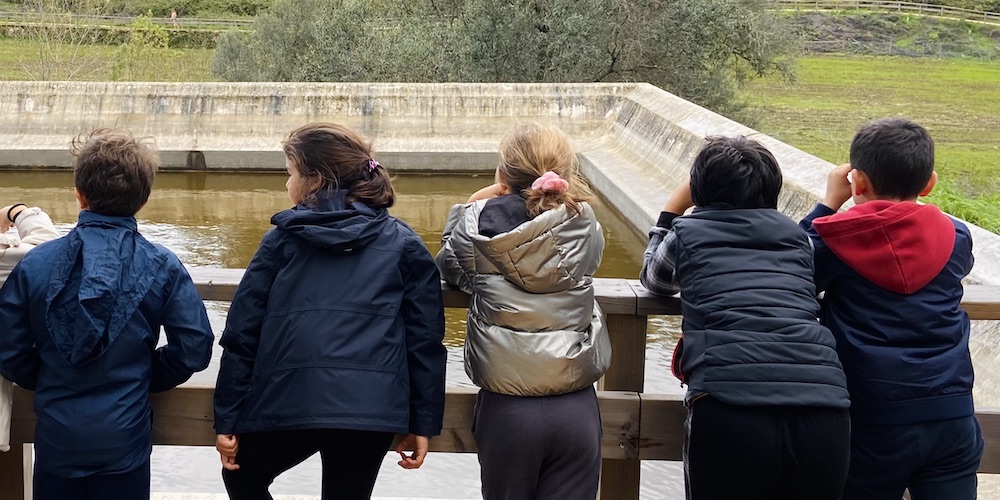
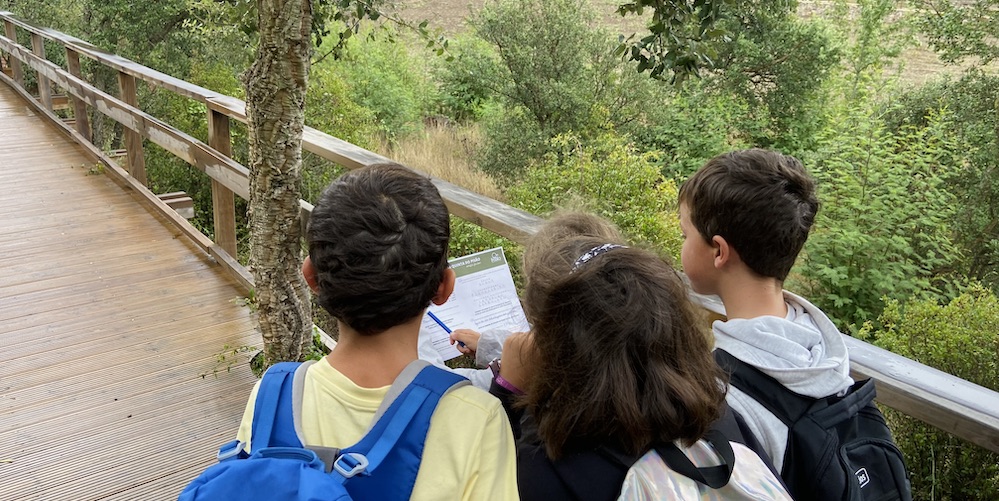
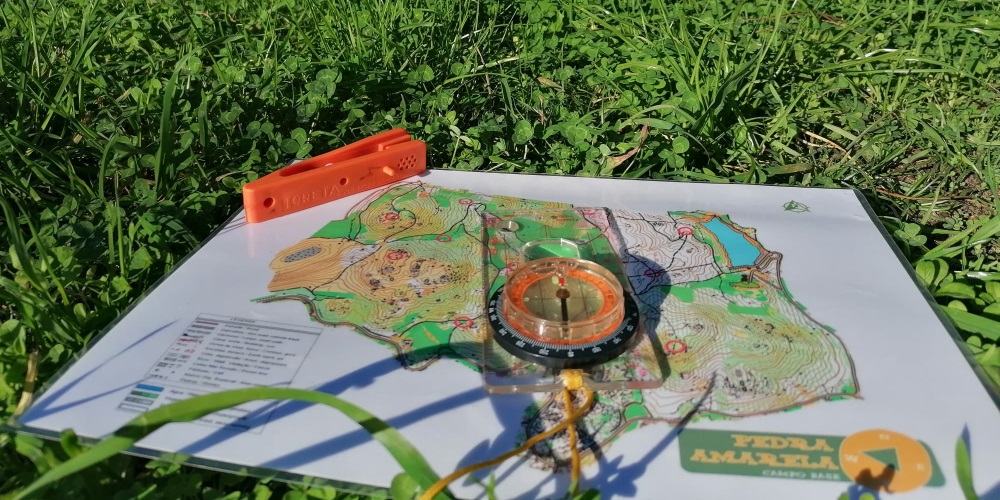
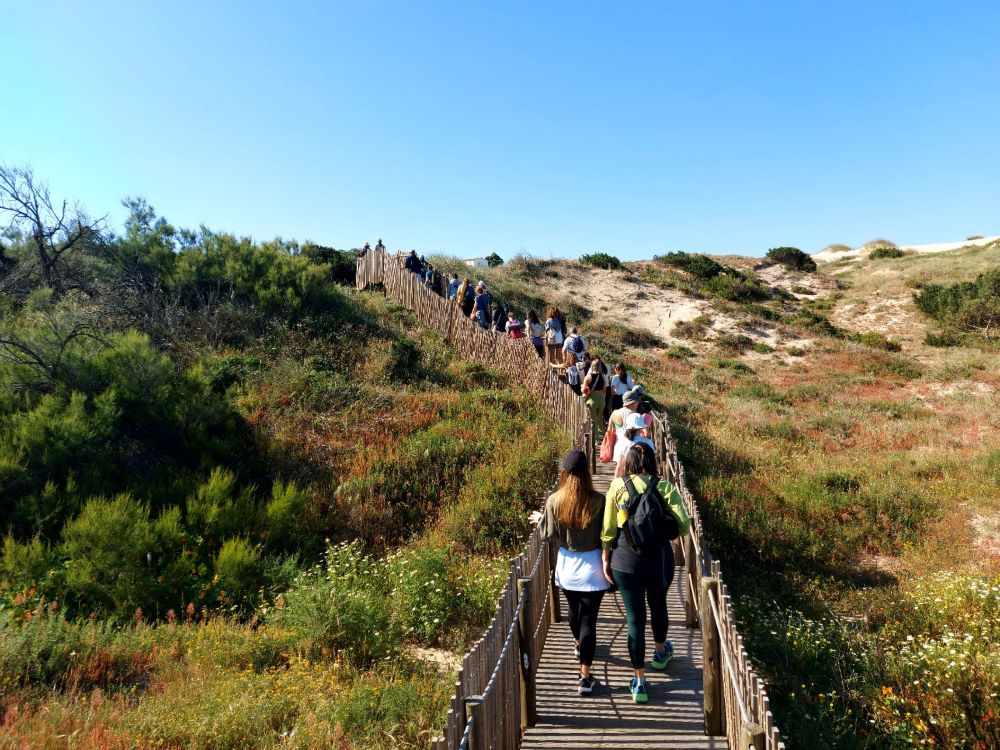
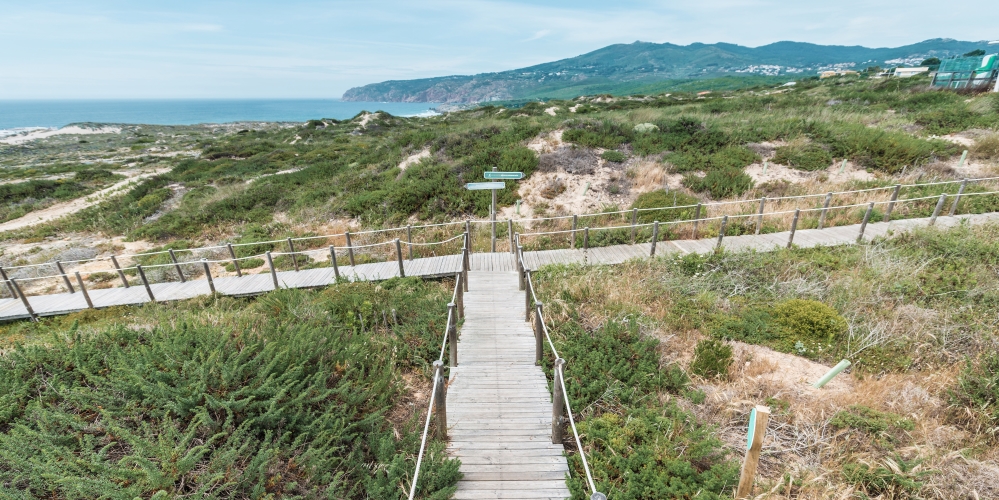
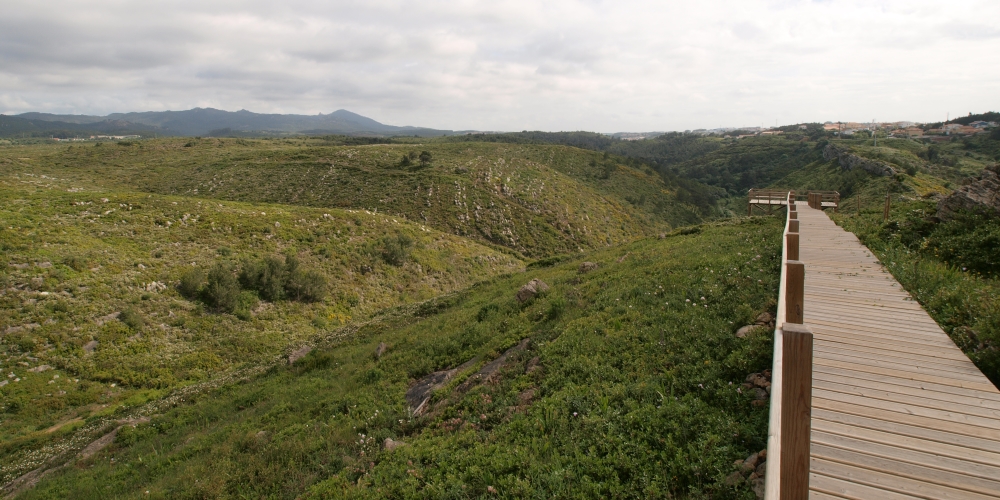
As part of the International Museum Day celebrations, we propose a closer look at the History of Millology in our municipality, participating in a walking tour through the most emblematic locations that strongly characterize this Arab legacy of traditional milling in Alcabideche. The tour will cover the four existing types of mills, approximately 8 km long, starting at 9:30 am.
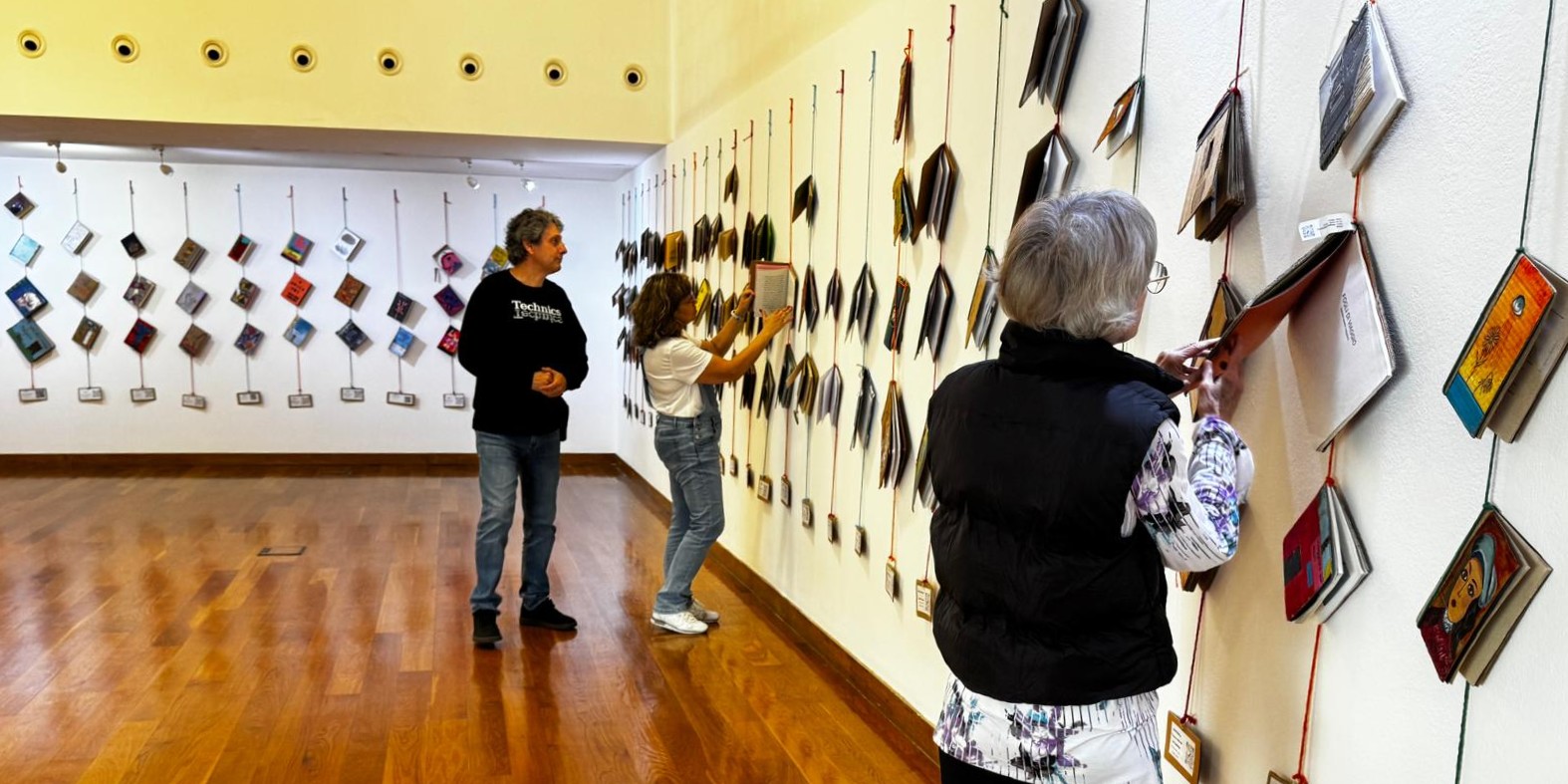
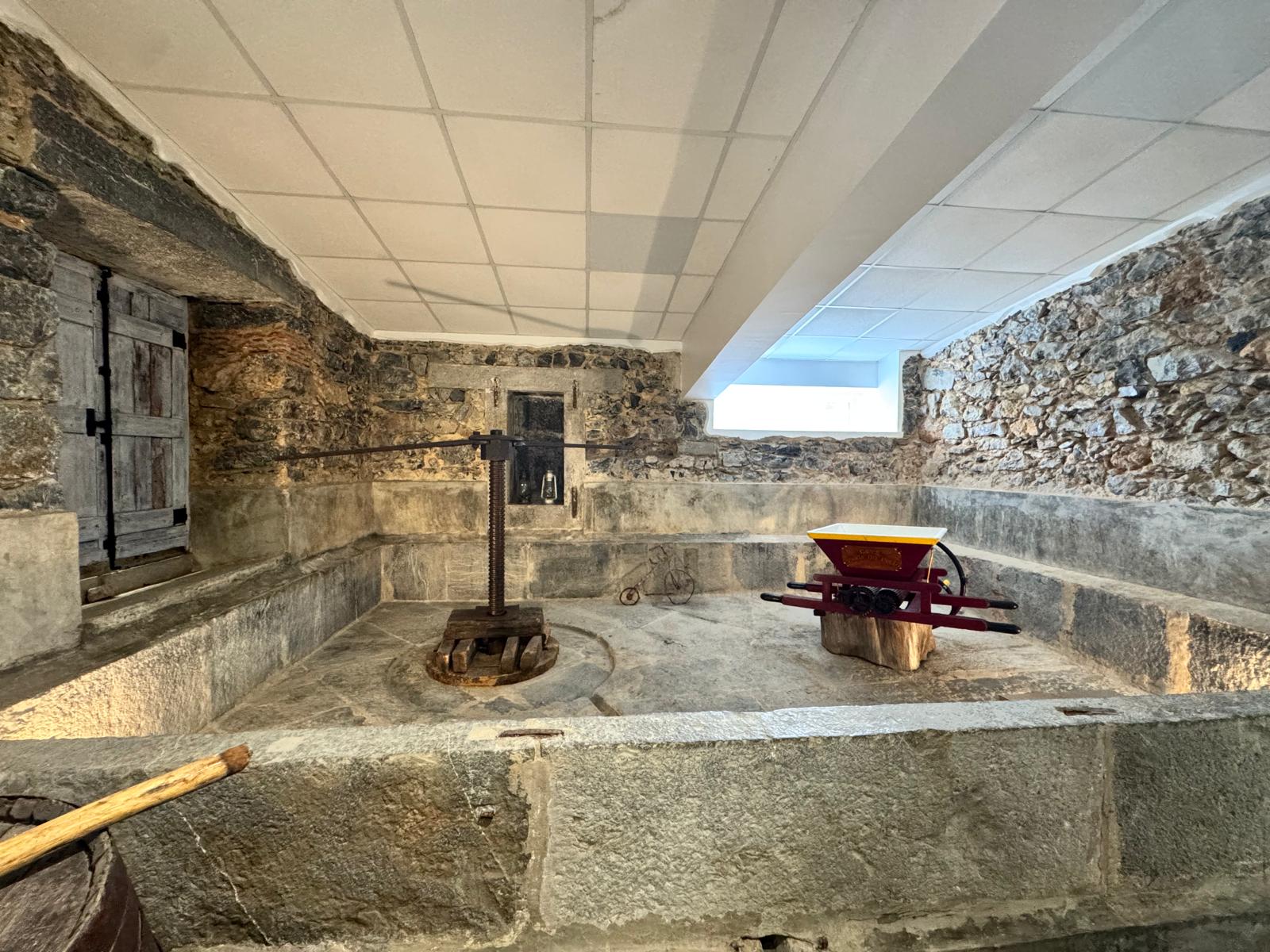
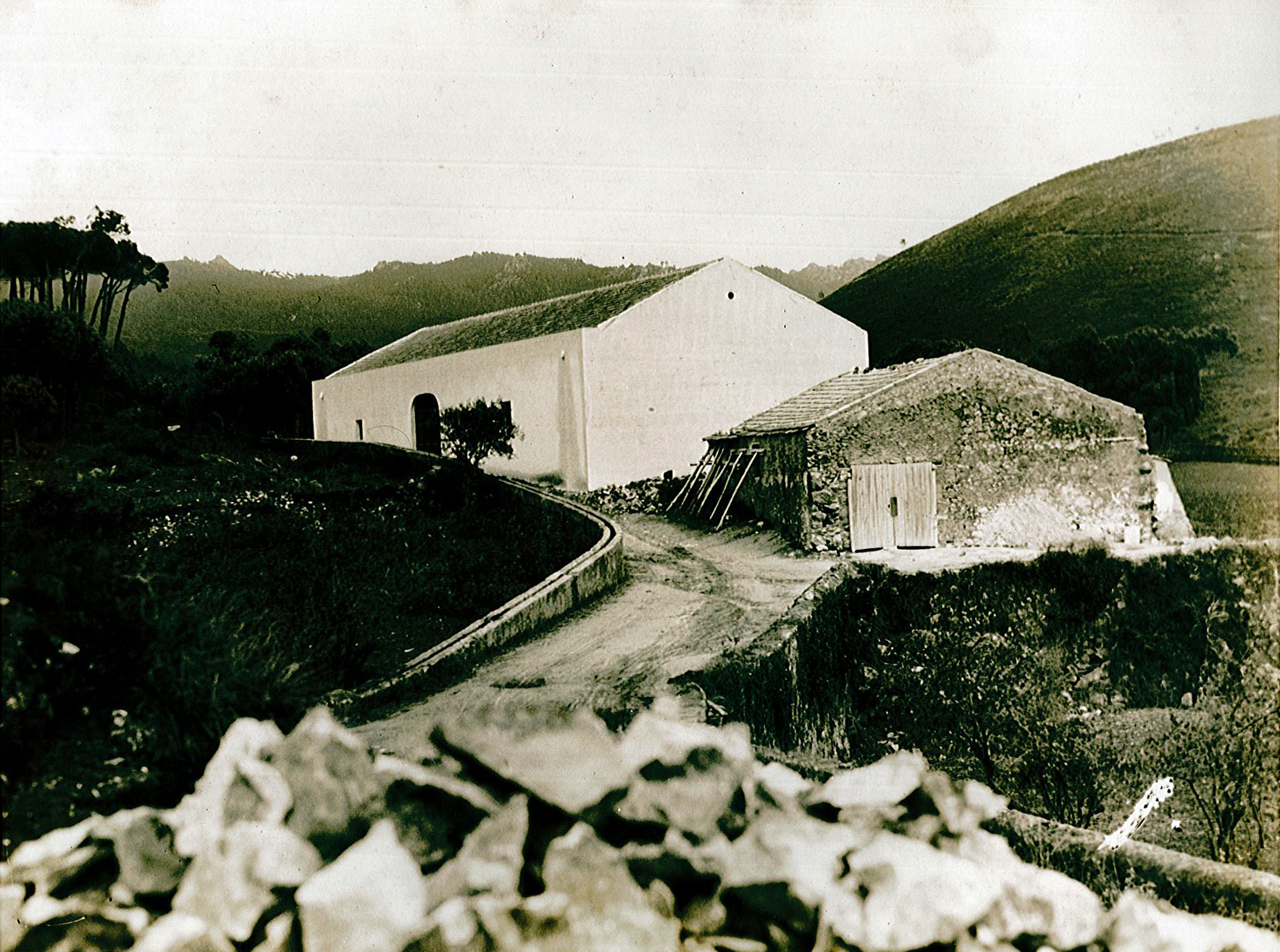
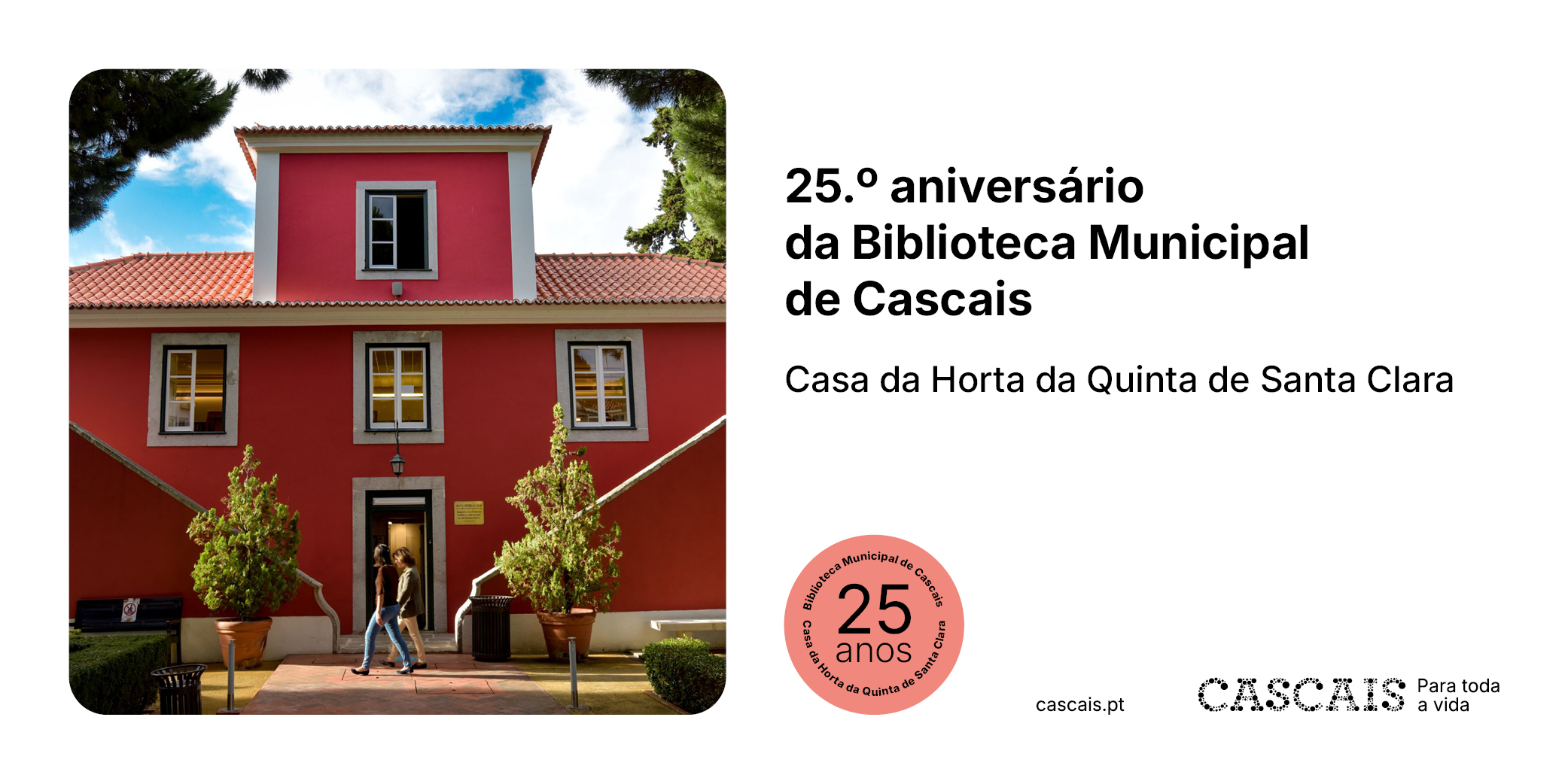
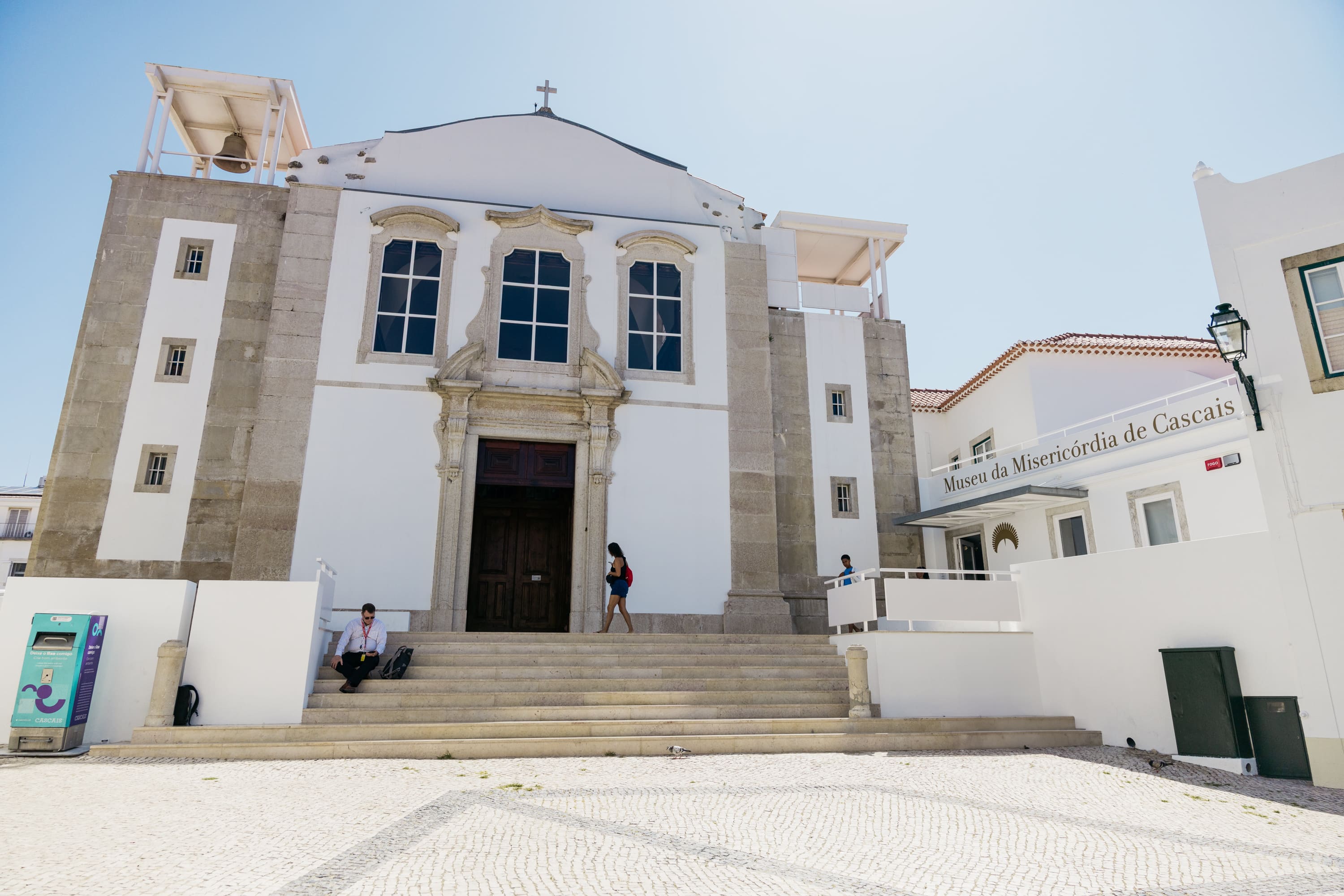
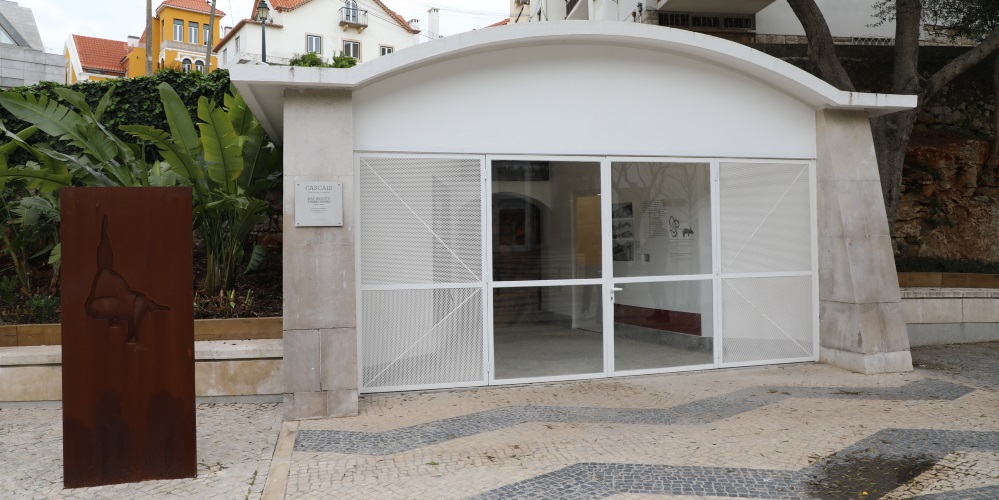
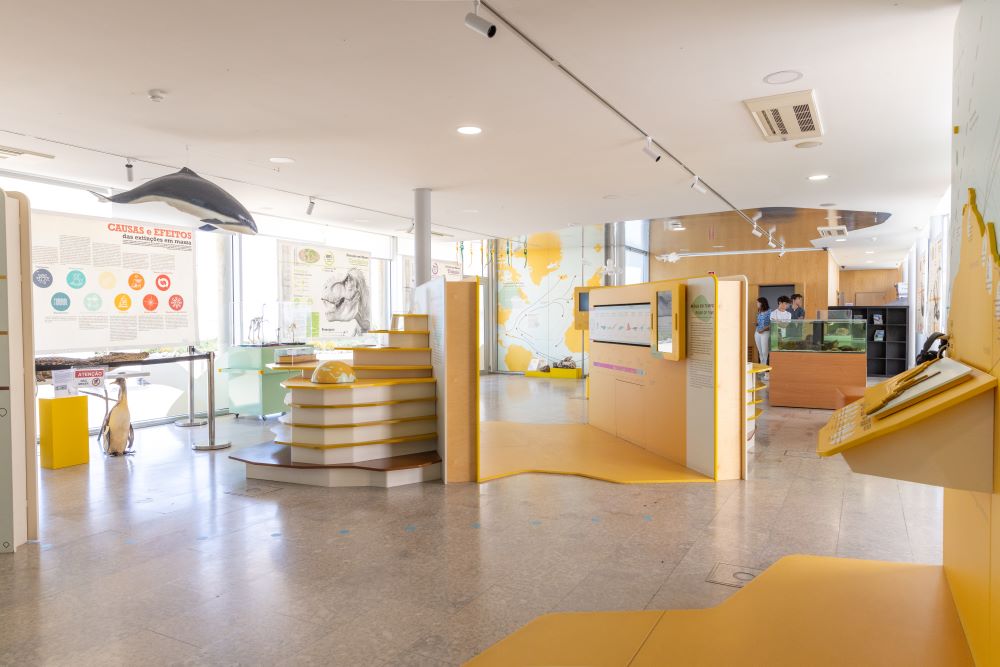
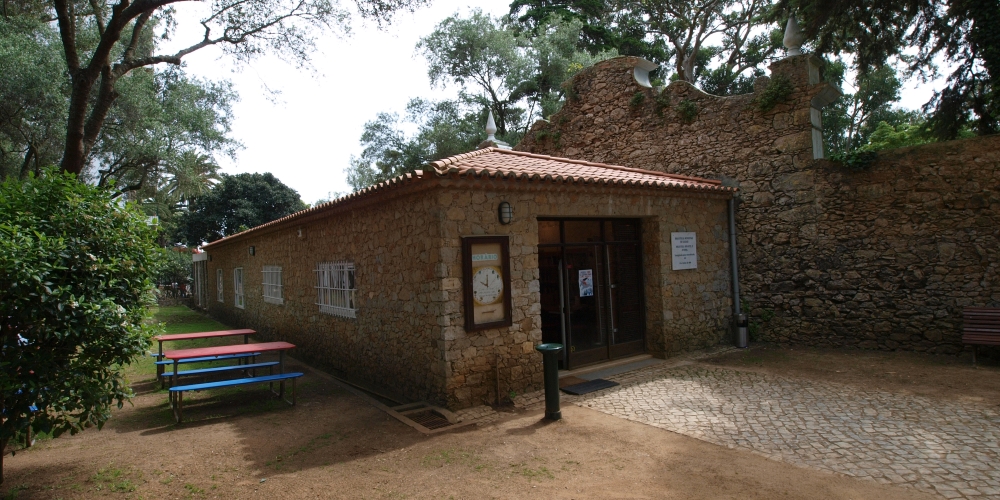
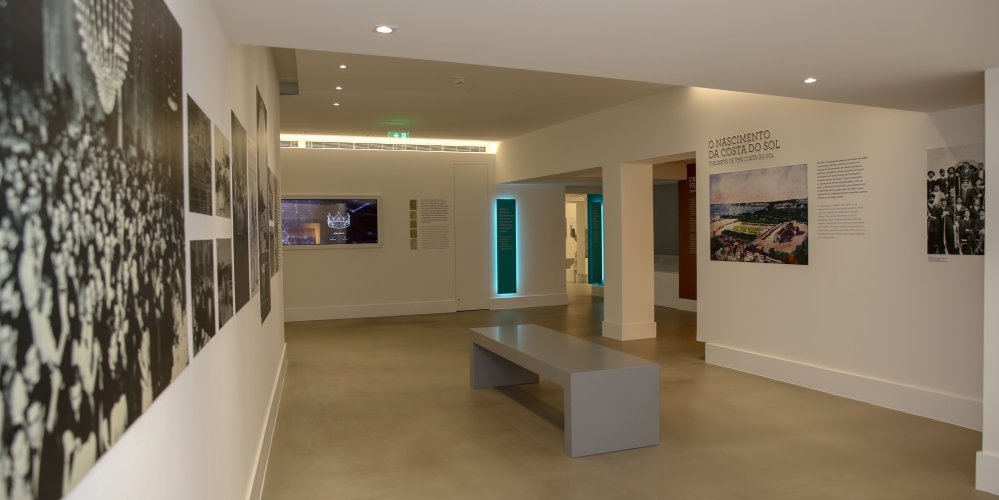
Visitors/participants will be welcomed to the exhibition space, where the permanent exhibition on Mills in Cascais is located, allowing them to learn about this heritage, its typologies, characteristics, and spatial distribution throughout our municipality.
Free entry, subject to space capacity (15 to 20 participants).
Participants should bring comfortable clothing and footwear. The activity is subject to weather conditions.
More information and registration: moinho.armacao@cm-cascais.pt | dmus@cm-cascais.pt
Organization: Cascais Municipal Council
Next, the visit to the 6 locations included in this walking route begins, namely:
American-style Frame Mill
In this type of mill, the metal structure is very tall, rising above the grinding building and piercing the building's slab, which is set into the masonry of the walls. The driving wheel, which incorporates sheet metal bag-shaped sails located at the end of the structure, provides considerable force that allows it to move two pairs of millstones and a grain sorting machine.
These mills, like others that had two pairs of millstones, ground three types of grain: wheat, corn, and rye, a fact proven by the characteristics of the millstones.
The pair of millstones made of coarse or sandy stone ground corn, while the pair of millstones for wheat and rye is made of white or bastard stone.
Aeromotor Ratchet Workshop
As the name suggests, these mills originated in the United States of America in the second half of the 19th century, consisting of a metal frame with a propeller on top, installed above the grinding building, and a rudder. This mechanism/system was brought to Alcabideche following a visit to the Chicago World's Fair in 1893 by José Roquete, a blacksmith by profession, who copied the model and developed it in Alcabideche, a workshop for water-lifting engines to raise water from wells. One example of this type of mill, which was once part of the Quinta de S. Martinho estate, is the American-style frame mill in Alcabideche. There is another one in a state of ruin in Alcorvim de Cima – Malveira da Serra.
Monument to the Arab Poet
The simple monument in homage to the Arab poet Abu Zayd 'Abd ar-Rahman ibn Muqana, a native of Alcabideche, is the work of António Duarte, and was inaugurated in 1965 during the 1st International Symposium on Molinology held in Estoril (from September 28th to October 4th). It is a testament to the entire heritage of Arab culture that continues to mark the landscape of the interior of our municipality in a very peculiar way.
Torre Windmill – Fazenda dos Cinco Ventos
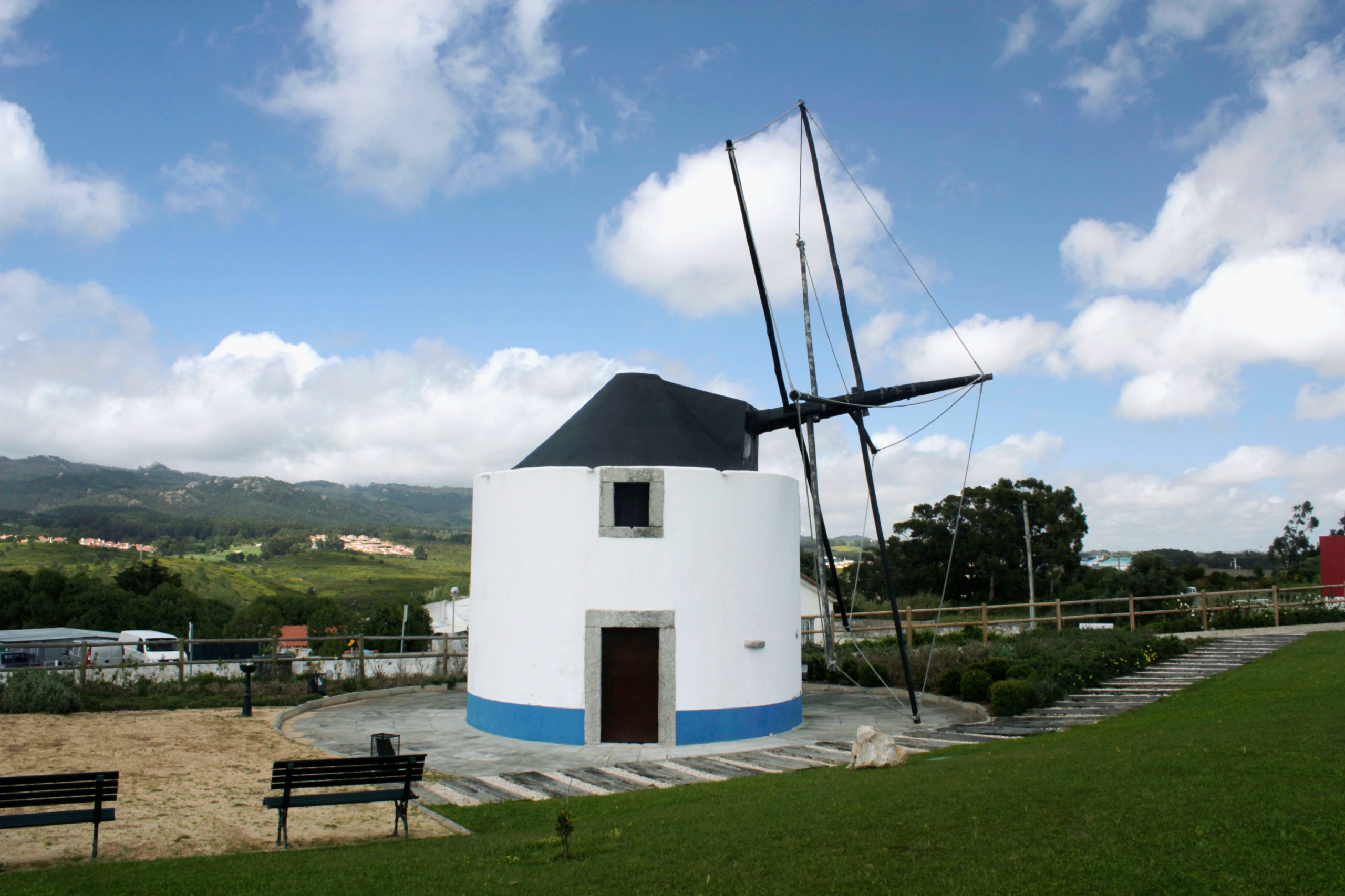
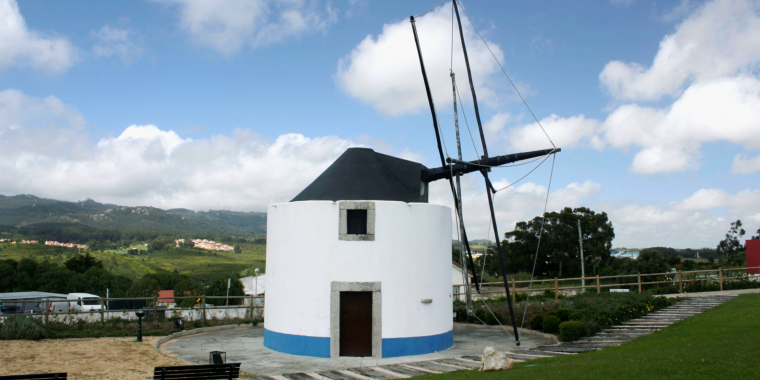
This type of windmill is characterized by its cylindrical structure, with a rotating cap, lined with sheet metal and tar, where small wooden wheels are embedded. These wheels, running on the stone frame, allow the windmill to be removed or placed in the wind using a winch. Generally, they had two pairs of millstones located on the intermediate wooden floors.
The motive force emanating from the canvas sails was received by a 32-tooth gear, which then distributed it to the millstones, allowing them to function.
These mills worked on a complementary basis with the watermills.
Water Mill - Atrozela
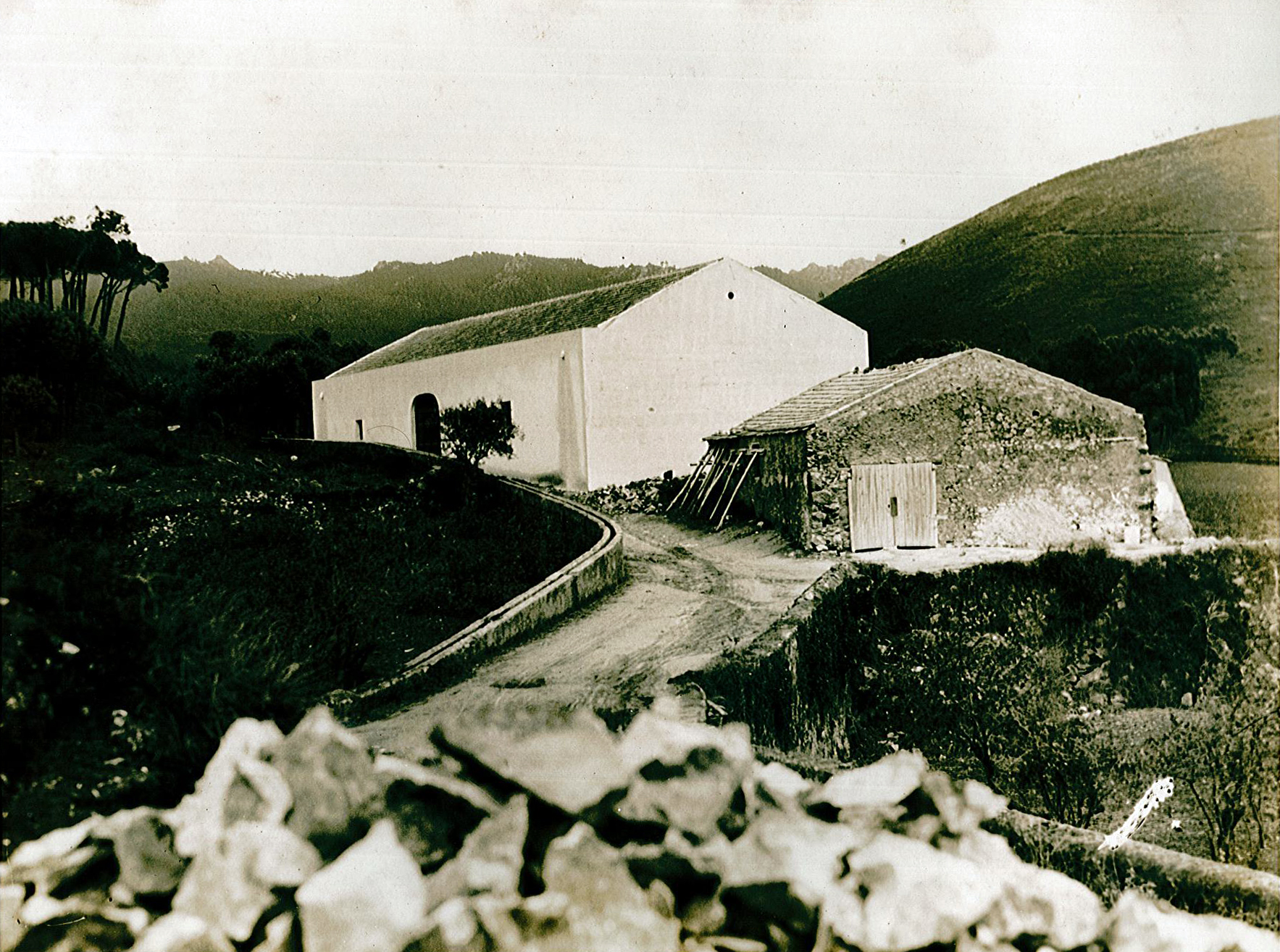
The watermills in our municipality are of the top-propelled, capping wheel type, taking advantage of water brought by small channels diverted from the streams. They used two pairs of millstones, each connected to a capping wheel which, through a direct linkage, allowed its operation.
In the case of the Atrozela watermill, initially, there was only one grinding compartment, where the pair of millstones for wheat and rye was located, and later, another dependency was added for the installation of the pair of millstones for corn.
In the mid-20th century, a diesel engine was introduced to this watermill, allowing it to operate whenever desired, regardless of the river's water flow.
Water Elevation Mill
This type of structure is unique in our municipality. Built based on tower mills with a rotating cap, it does not use a winch; the cap is placed or removed from the wind using a rod. Its function was to raise water from the well upon which it was built, for irrigation of agricultural fields and supplying a tank/washing area. It had only one floor, built of cement slab, on which the piston mechanism for drawing the water rested.