






























































































Cinema Cascais - Horror Film Season
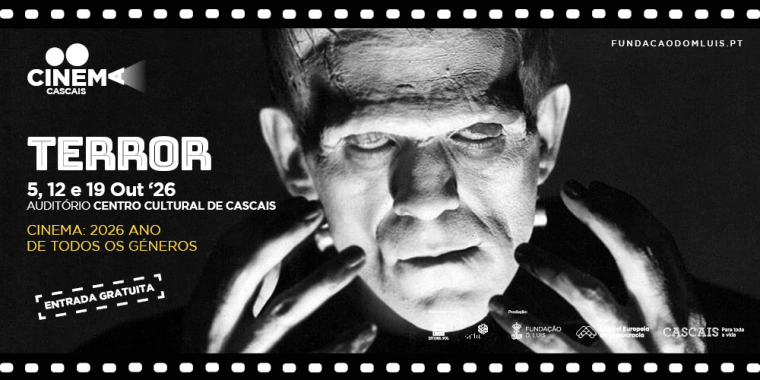
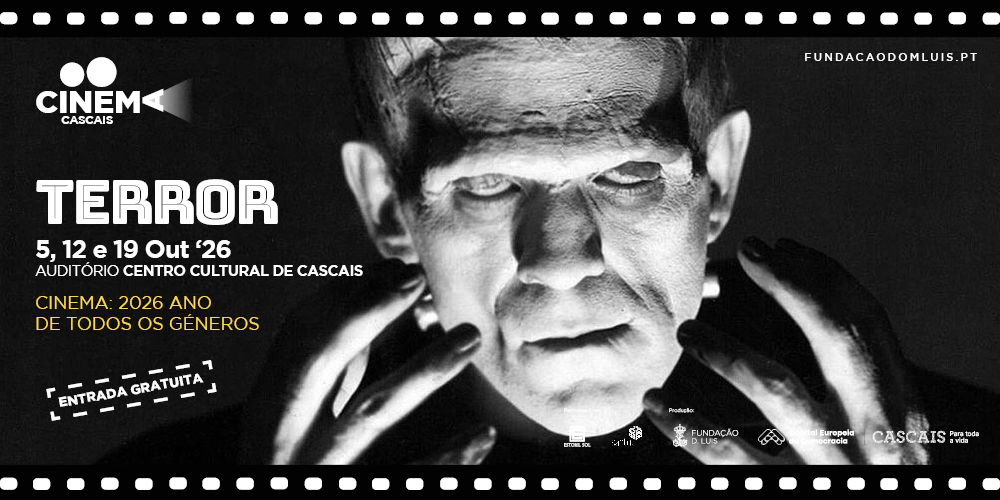
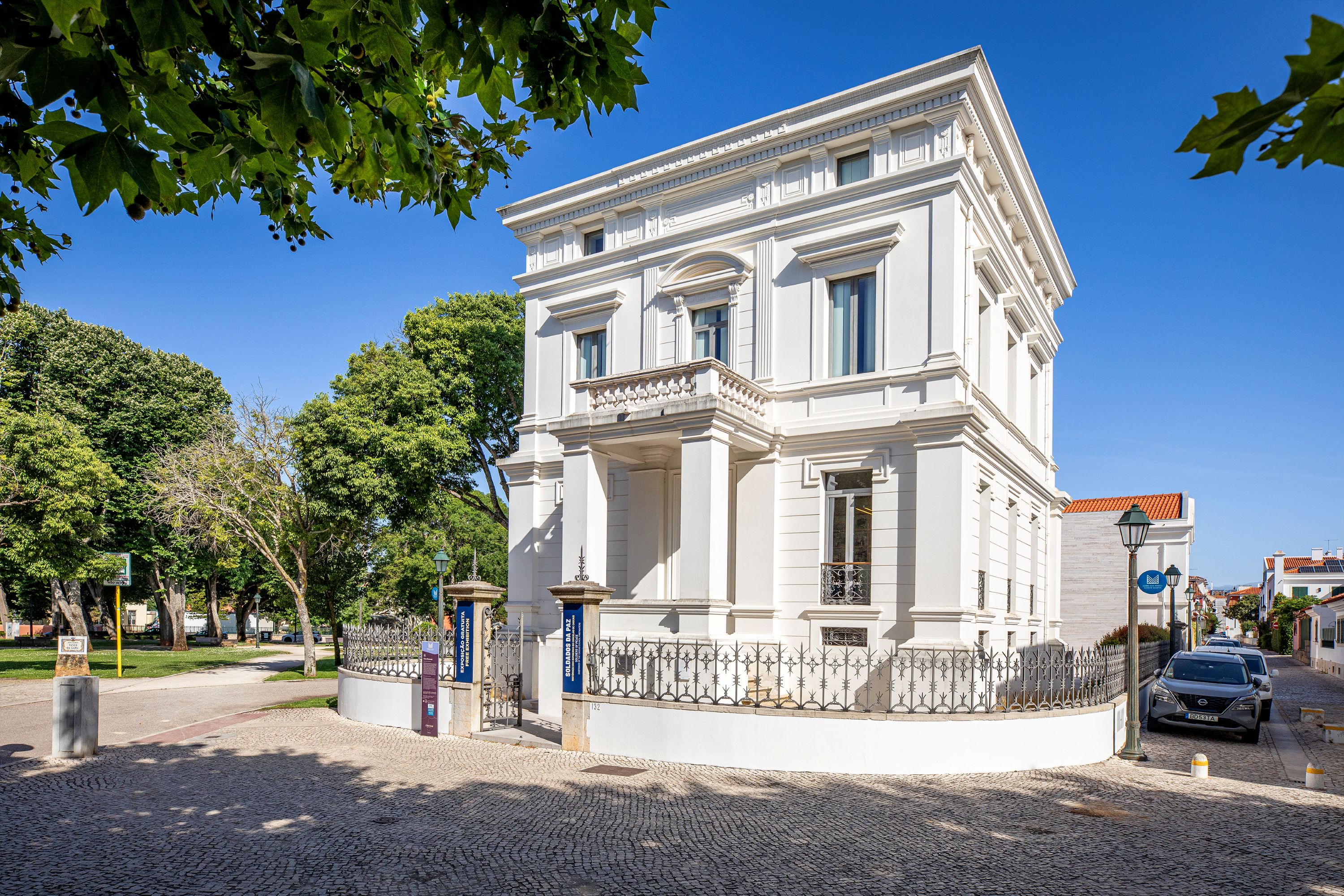
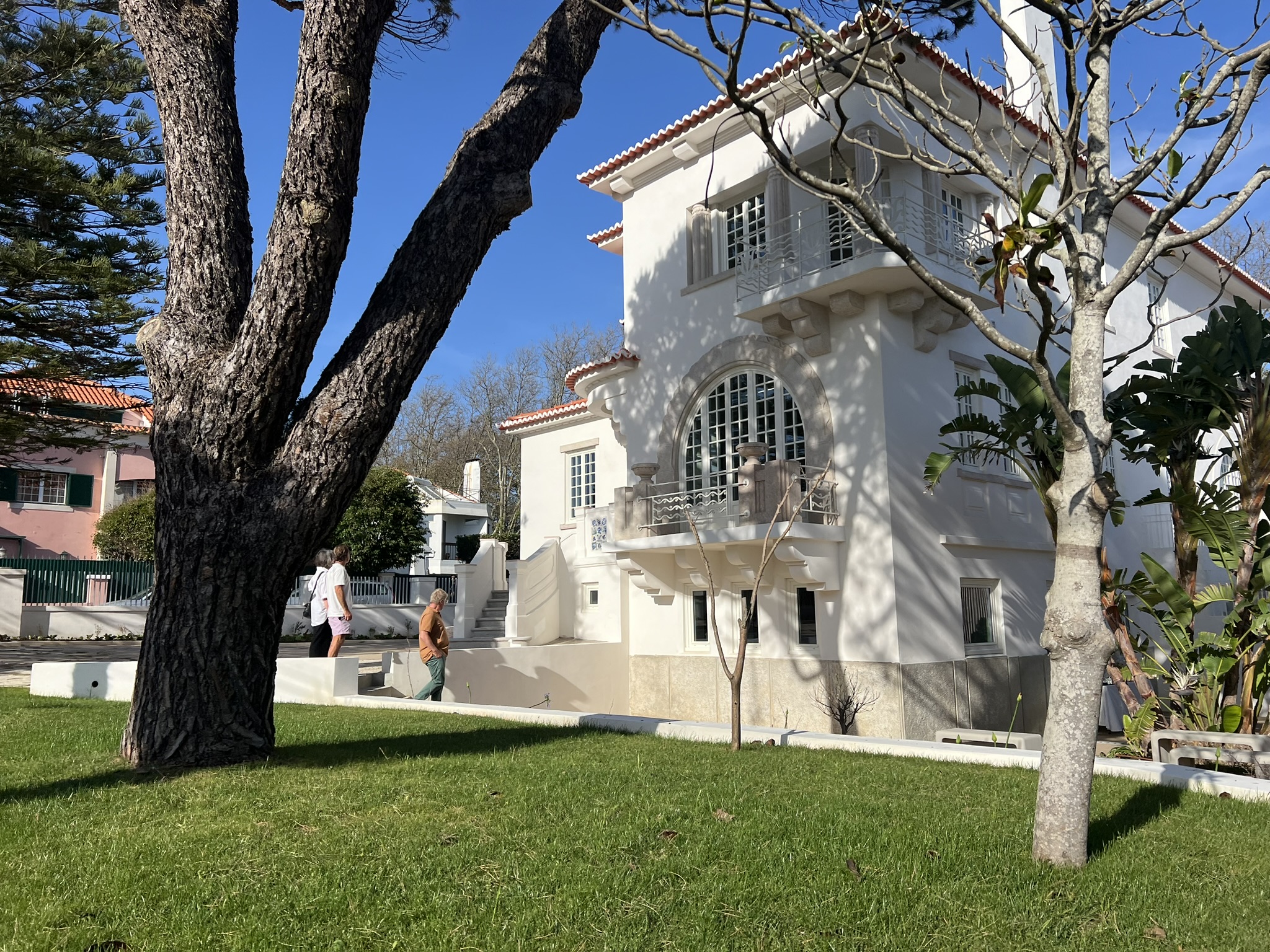
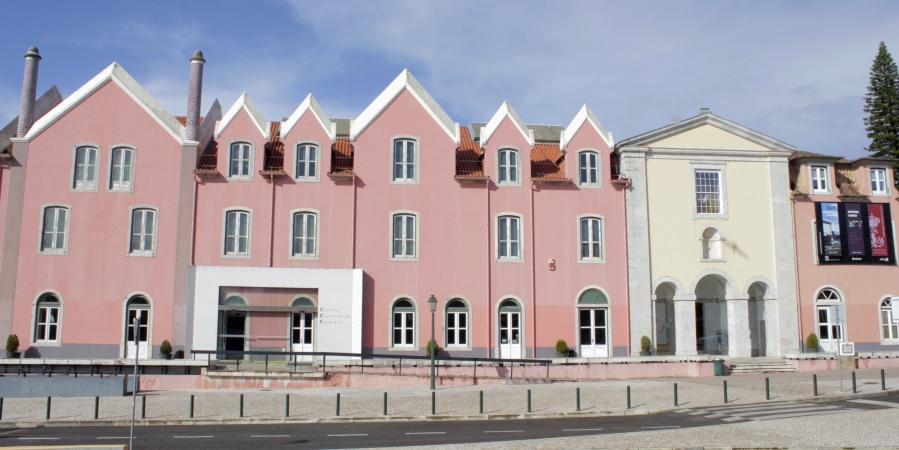
This October, Cinema Cascais turns the lights down for a season of horror: four landmark films that shaped the genre, screened in the auditorium of the Centro Cultural de Cascais, the town's arts centre.
Built on the play of light and shadow, which is what cinema itself is made of, horror has always been the most cinematic of genres. It draws on a rich literary tradition as well as folklore and superstition, and it reached its first peak in the silent era with films such as The Cabinet of Dr. Caligari, The Golem and Nosferatu. Their lessons were taken up in Hollywood by Universal's monster movies of the 1930s.
The genre has since branched out in many directions, from Britain's lavish Hammer productions to gore, Japanese J-horror and French "extreme cinema". Yet one thing has never changed: horror remains a space of complete creative freedom and a blank screen onto which we project our fears, anxieties and ghosts.
The season opens on 5 October with James Whale's Frankenstein (1931), the film that defined the monster movie. It continues on 12 October with Alfred Hitchcock's Psycho (1960). On 19 October there are two screenings. The first is Michael Powell's Peeping Tom (1960), Psycho's British "sibling" and the other founding father of modern horror. The second is George A. Romero's Night of the Living Dead (1968), which rewrote the rules of the genre.
Admission is free.
Organised by Fundação D. Luís I, with the support of Cascais City Council.
Frankenstein
21h00 | Auditorium, Centro Cultural de Cascais
(1931) Director: James Whale | Cast: Boris Karloff, Colin Clive, Mae Clarke, John Boles, Dwight Frye, Edward Van Sloan, Frederick Kerr, Lionel Barrymore and others | 70 minutes | In English with Portuguese subtitles
Based on a stage play adapted from Mary Shelley's novel, Frankenstein appeared in the same year as Tod Browning's Dracula. Together they set the template for the horror movie and launched Universal's famous gallery of monsters.
Boris Karloff became an overnight star as the creature, both terrifying and moving, thanks in part to Jack Pierce's still-remarkable make-up. The film also created enduring archetypes such as the mad scientist and his hunchbacked assistant. It is a visually sumptuous film with a streak of dark humour that would come fully to the surface in its sequel, Bride of Frankenstein.
Psycho
21h00 | Auditorium, Centro Cultural de Cascais
(1960) Director: Alfred Hitchcock | Cast: Anthony Perkins, Janet Leigh, Vera Miles, John Gavin, Martin Balsam, John McIntire and others | 109 minutes | In English with Portuguese subtitles
Self-financed by Hitchcock and shot quickly and cheaply with the crew of his TV series Alfred Hitchcock Presents, Psycho is a masterclass in manipulating the audience. It runs from the legendary shower scene to its famous final twist.
By moving the gothic tradition to the ordinary setting of the Bates Motel, Psycho laid the foundations of modern horror and anticipated the slasher films that followed. It features outstanding performances from Anthony Perkins and Janet Leigh and a superb score by Bernard Herrmann.
Peeping Tom
18h00 | Auditorium, Centro Cultural de Cascais
(1960) Director: Michael Powell | Cast: Karlheinz Böhm (credited as Carl Boehm), Moira Shearer, Anna Massey, Maxine Audley, Michael Powell and others | 101 minutes | In English, no subtitles
Released two months before Psycho, Peeping Tom follows an aspiring filmmaker who films the women he kills in an attempt to capture fear itself. This daring film pushes the link between voyeurism and cinema even further than Hitchcock did. It almost ended Michael Powell's career, and it took the championing of Martin Scorsese for the film to be fully rehabilitated.
Night of the Living Dead
21h00 | Auditorium, Centro Cultural de Cascais
(1968) Director: George A. Romero | Cast: Duane Jones, Judith O'Dea, Marilyn Eastman, Karl Hardman, Judith Ridley, Keith Wayne and others | 96 minutes | In English with Portuguese subtitles
Made independently on a shoestring budget, Night of the Living Dead tore up the rulebook of horror. It cast a Black actor in the lead role and ended on a bleak, apocalyptic note. Its grainy, documentary-style black and white mirrored a turbulent America, and the film turned the zombie into the pop-culture phenomenon we know today.